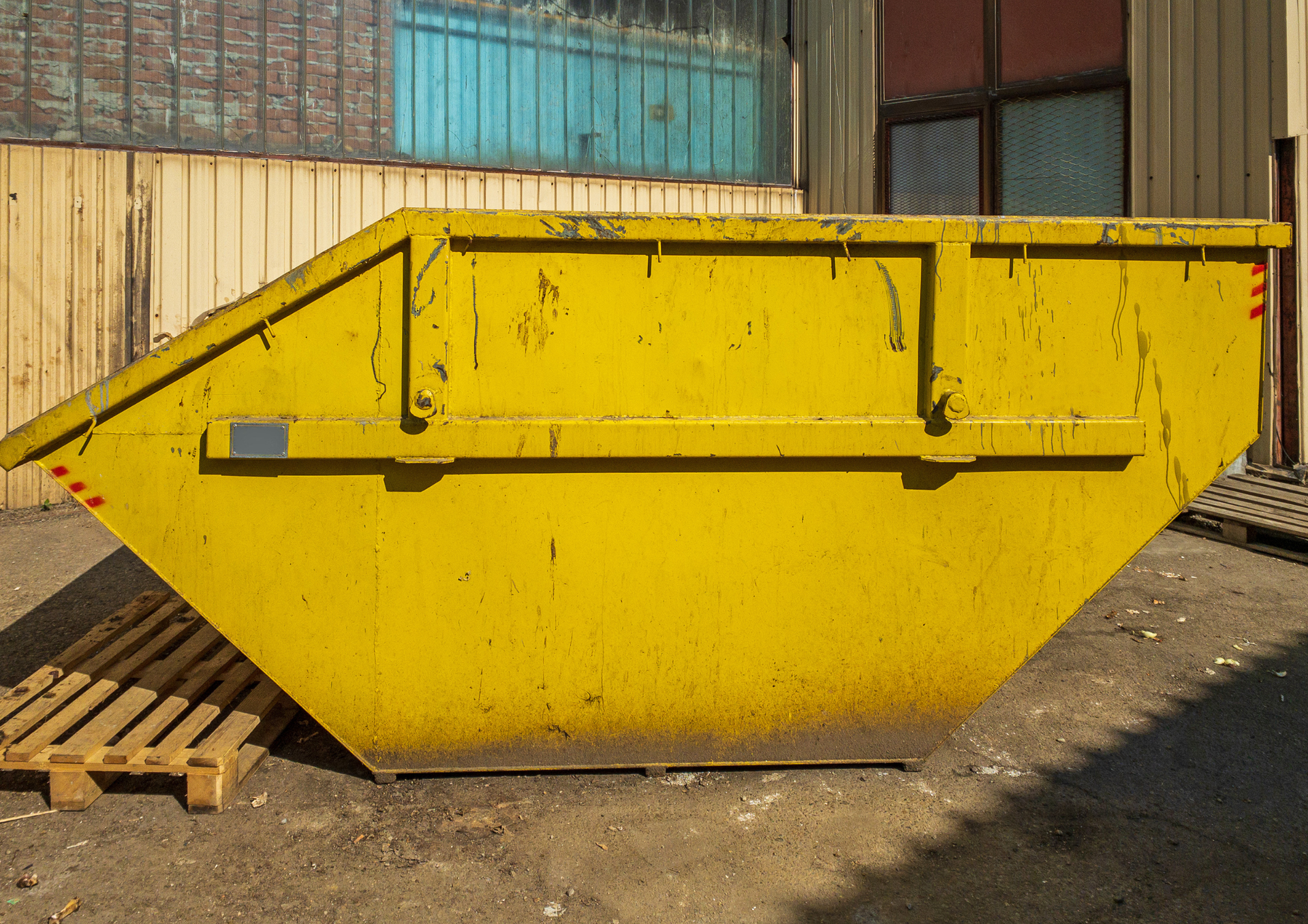

Same Day Skip Hire for Urgent Home and Garden Clearance Projects
Home and garden clearances do not always happen according to a carefully prepared schedule. A property may need to be emptied unexpectedly, renovation work can produce more rubbish than anticipated, or a weekend gardening project may create a substantial amount of unwanted material within a few hours. In these situations, same day skip hire can provide a practical way to establish a dedicated waste area quickly and keep the project moving.
Homeowners may need prompt waste removal while preparing a property for decorating, moving or renovation. Landlords can encounter similar requirements between tenancies, while surveyors and local authorities may need to coordinate clearances alongside maintenance or improvement programmes. Residential and commercial properties can both benefit from having an organised method for dealing with suitable unwanted materials.
Properties throughout Nottingham range from terraced houses and larger family homes to rental accommodation, offices and commercial premises.Access conditions and available outdoor space can differ significantly between locations, so urgent arrangements still benefit from careful preparation.
Fast service should not mean abandoning sensible planning. Estimating the amount of material, identifying an appropriate position and understanding what needs to be removed can prevent difficulties once work begins. Even when time is limited, a few practical checks can make the difference between an organised clearance and one where rubbish quickly starts obstructing working areas.
When Rapid Waste Removal Can Make a Practical Difference
Urgent projects can benefit from same day skip hire when unwanted material needs a designated place without a lengthy delay. Understanding where rapid delivery is particularly useful can help customers decide whether immediate arrangements genuinely suit the circumstances of their clearance.
Unexpected Home Clearances
- A property may need to be emptied quickly before renovation, sale, maintenance or another planned use.
- Furniture, old fittings, packaging and accumulated belongings can occupy substantial space once removal begins.
- Having a designated disposal point helps prevent rubbish from being moved repeatedly between rooms.
- Clearing one area at a time can create a more manageable workflow when the timetable is limited.
Garden Clearances
- Hedge cutting, pruning, landscaping and general garden maintenance can produce bulky material surprisingly quickly.
- Old fencing, outdoor furniture and unwanted garden features can add significantly to the overall volume.
- Keeping waste in one organised location helps maintain access through gardens, paths and working areas.
- Customers should establish which materials are suitable before loading begins.
Renovation Work
- Removing old kitchens, bathrooms, flooring or internal fittings can create considerable waste during the first stage of a project.
- Prompt disposal arrangements help contractors maintain usable working areas.
- Estimating the complete renovation rather than only the initial demolition can provide a better understanding of likely requirements.
- Keeping waste controlled can make it easier for subsequent trades to access the property.
Commercial and Managed Properties
- Offices and other premises may require short-notice clearances before refurbishment or changes in occupancy.
- Landlords can face unexpected quantities of unwanted belongings when preparing rental properties.
- Surveyors and local authorities may need waste removal coordinated with wider programmes of maintenance.
- Planning vehicle access and positioning remains important even where the project needs to begin quickly.
Rapid delivery is most effective when it forms part of an organised approach. Knowing what needs removing and where it will go allows customers to use the available capacity efficiently from the moment work starts.
Preparing Your Property for a Short-Notice Delivery
Even when waste removal needs to be arranged quickly, preparing the property beforehand can make delivery considerably easier. Customers considering next day skip hire may have slightly more preparation time, but the same basic checks remain useful regardless of how soon the equipment is expected.
The first consideration is positioning. A suitable location should provide convenient access from the property while allowing the delivery vehicle to approach safely. Driveways can provide a practical option at many residential properties, although available width, gates, parked vehicles and other obstacles should be considered.
Where private space is limited, customers should establish what arrangements may be required before booking. This is particularly relevant in built-up residential areas where properties may have limited frontage or restricted access.
Garden projects can present different challenges. Waste may be generated behind the property while the available delivery position is at the front. Planning how branches, vegetation and other suitable materials will move between these areas can prevent paths and entrances from becoming blocked.
Home clearances also benefit from establishing a route through the building. Hallways and doorways should remain as clear as possible, particularly where bulky furniture or fittings need to be carried outside. Moving small items away from these routes beforehand can make the work more efficient.
Customers should estimate the quantity of waste before delivery whenever possible. Walking through each room or garden area and identifying what will be removed provides a more realistic picture than making a general estimate without inspecting the complete project.
The type of material is equally important. Household belongings, garden waste and renovation materials can differ considerably in size and weight. Separating items that will be kept, donated, recycled or disposed of before work begins reduces confusion later.
For commercial premises, preparation may need to account for employees, customers and contractors. Deliveries should be coordinated so that important entrances and working areas remain accessible. Where normal activities continue during the clearance, establishing dedicated routes for moving unwanted materials can minimise disruption.
Short-notice arrangements therefore still benefit from a structured approach. Preparing the placement area, clearing access and estimating requirements can allow work to begin promptly once the equipment arrives.
Selecting Suitable Capacity for an Urgent Clearance
Choosing the right capacity remains important even when time is limited. A same day skip should provide enough space for the expected materials without being unnecessarily large for the property or project. A quick assessment before booking can help customers make a more suitable choice.
Small Household Projects
- Individual room clearances, decorating work and general decluttering may produce relatively modest quantities.
- Bulky furniture should be considered separately because it can occupy available capacity quickly.
- Smaller properties may also have limited space available for positioning.
- Assessing the complete room before work starts can improve the accuracy of the estimate.
Larger Residential Clearances
- Clearing several rooms can generate significantly more waste than customers initially expect.
- Furniture, carpets, stored belongings and old household items can quickly increase the overall volume.
- Garages, lofts and sheds should be included when assessing requirements.
- Where renovation follows the clearance, customers should consider whether additional material will be produced.
Garden Projects
- Branches, shrubs and other vegetation can be bulky even where their weight is relatively modest.
- Landscaping can also produce old fencing, outdoor fittings and materials removed from existing garden features.
- Organising vegetation before loading can help use the available space more efficiently.
- Customers should consider the full scope of the garden project rather than only the first area being cleared.
Commercial Clearances
- Office furniture, shelving, packaging and unwanted fixtures can require substantial capacity.
- Retail and other commercial properties may produce different materials as individual areas are emptied.
- Large clearances can benefit from being divided into manageable stages.
- Delivery and removal should be coordinated with contractors and normal site activities where necessary.
Capacity should reflect both the amount of waste and the available positioning space. Taking a few minutes to assess these factors can prevent an urgent booking from creating additional difficulties later.
Keeping a Fast Clearance Organised from Beginning to End
A short project may make 1 day skip hire a practical option where the work can genuinely be completed within a concentrated period. However, finishing quickly depends heavily on preparation and organisation rather than simply working faster.
Before clearance begins, everyone involved should understand which items are being removed. This is particularly important in occupied homes, rental properties and commercial premises where belongings that need to remain could otherwise become mixed with unwanted materials.
Working systematically can improve efficiency. Rather than beginning in several rooms simultaneously, completing one area before moving to another provides a clearer sense of progress. It also reduces the likelihood of hallways and other shared spaces becoming filled with temporary piles.
Bulky objects should be considered early. Large furniture, old cabinets and garden items can be difficult to move once smaller materials begin obstructing access. Where suitable, dismantling larger items may make them easier to carry and allow available capacity to be used more efficiently.
Loading should remain organised throughout the project. Simply throwing materials into the container can leave significant unused gaps. Placing larger suitable objects carefully and filling available spaces with smaller items can help make better use of the capacity.
Garden clearances require similar planning. Cutting vegetation into more manageable sections can make transportation easier, while keeping paths clear reduces repeated handling. Tools and equipment should have their own designated area so they do not become mixed with materials intended for disposal.
Landlords overseeing a rapid property turnaround may need to coordinate clearance with cleaners, decorators or maintenance contractors. Completing waste removal in a logical sequence can help prevent different teams from interfering with one another.
Commercial properties may require even more coordination. Where employees or customers remain on site, clearance work should be separated from normal activities wherever practical. Maintaining clear entrances and access routes helps reduce disruption.
The end of the project should also be planned rather than treated as an afterthought. Customers should check each area of the property, identify any remaining suitable waste and ensure the working space is ready for whatever comes next. A structured finish makes it easier to move from clearance into cleaning, renovation, maintenance or normal use.
Urgent home and garden clearances can become difficult to manage when unwanted materials accumulate faster than expected. Establishing a clear waste removal plan early helps prevent rooms, driveways, gardens and working areas from becoming unnecessarily cluttered.
Preparation remains valuable even when the timetable is short. Identifying what needs removing, estimating the likely volume and preparing access before delivery can make the entire project easier to coordinate. Choosing suitable capacity also reduces the likelihood of discovering halfway through the work that available space is insufficient.
Homeowners can apply these principles to decluttering, renovations and garden projects, while landlords may find them useful when preparing properties between occupants. Surveyors and local authorities coordinating maintenance can benefit from the same structured approach, as can those responsible for commercial premises.
Organisation should continue throughout the clearance. Working through individual areas systematically, maintaining clear access routes and loading materials carefully can help make effective use of both time and available capacity.
Whether a project has been planned for weeks or has arisen unexpectedly, same day skip hire can provide a practical way to manage unwanted materials promptly. A well-organised approach allows customers to concentrate on completing the clearance while keeping waste controlled from the first stage of work through to final removal.
Skip Hire Nottingham provides practical waste removal support for homeowners, landlords, surveyors, local authorities and customers responsible for residential or commercial properties. We understand that some clearances are planned well in advance while others arise unexpectedly and require a prompt response.
Our approach focuses on straightforward communication, suitable capacity and dependable arrangements. Whether customers are clearing household belongings, garden materials or waste generated during property improvements, we aim to make the process easy to understand from initial enquiry through to skip collection.
We also recognise that access, property layout and project duration can influence the most practical arrangement. Considering these details early allows customers to prepare effectively and helps the clearance progress with fewer unnecessary interruptions.
Check out our latest X update on how
same day skip hire can provide a practical solution for urgent home and garden clearance projects!
You might also like