
Local Skip Hire for Home Clearances, Renovations and Garden Waste
Clearing unwanted materials from a property can quickly become one of the more demanding parts of a home improvement project. Old furniture, damaged fittings, packaging, timber, garden debris and general household rubbish can occupy valuable space and make it harder to continue working efficiently. Arranging local skip hire provides a practical way to keep waste contained while allowing a project to progress in a more organised manner.
For homeowners, landlords, surveyors and local authorities, planning waste removal early can make a considerable difference. The requirements of a small household clearance will naturally differ from those of a full renovation or extensive garden project, so considering the expected quantity and type of waste before booking is worthwhile. Residential and commercial properties can also present different access conditions, particularly where parking, narrow roads or limited outdoor space need to be considered.
In Nottingham, properties range from homes on busy residential streets to larger premises with more generous access. Similar considerations apply in towns and cities throughout the UK. Thinking about the project, available space and expected waste volume before work begins can make delivery, loading and collection considerably easier.
Planning Waste Removal for Different Types of Projects
Different projects produce different types and quantities of unwanted material. Planning how that material will be handled before starting work helps prevent waste from becoming an obstacle. A suitable container provides a designated place for rubbish throughout the project and can reduce the amount of loose material left around a property.
For people searching for local skip hire near me, the most useful starting point is to consider the nature of the work rather than simply booking the first available option. The following project categories illustrate how waste requirements can vary.
Home Clearances
- Loft, garage and spare-room clearances can uncover years of stored belongings, packaging, broken furniture and general household items.
- Sorting possessions before the container arrives helps separate items that will be kept, donated, recycled or discarded.
- Estimating the overall volume after sorting can make choosing an appropriate capacity easier.
- Keeping a clear route between the property and loading area can also make the clearance more manageable.
Renovation Work
- Kitchen and bathroom projects can generate old cupboards, flooring, fittings, packaging and other renovation materials.
- Larger refurbishments may produce waste gradually, so sufficient capacity should be considered for the entire project rather than only the first stage.
- Certain materials can have specific disposal requirements, making it sensible to confirm what can be placed inside before work starts.
- Keeping renovation debris contained helps preserve usable working space around the property.
Garden Improvements
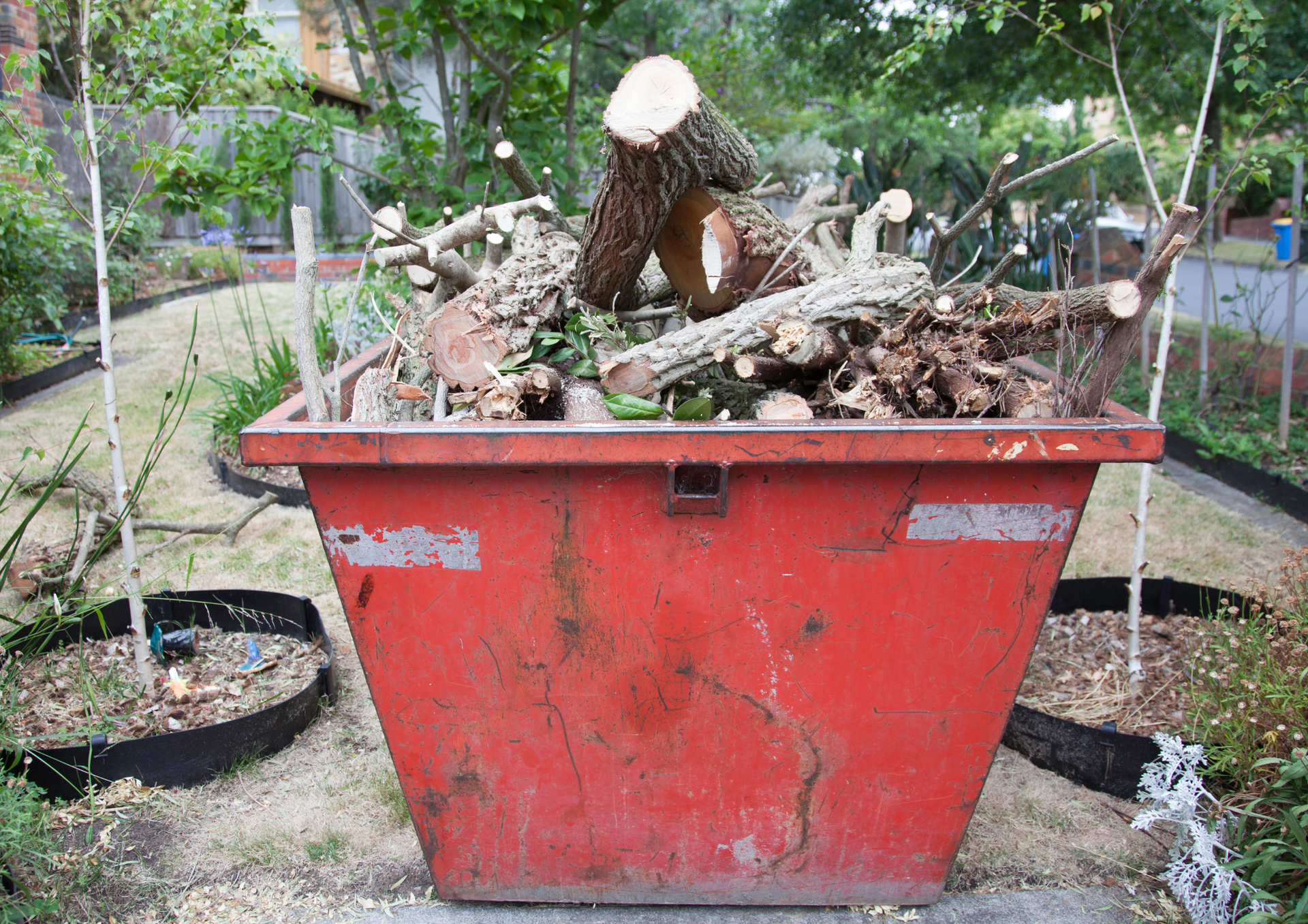
- Pruning, landscaping and general garden clearances can produce branches, leaves, old fencing, turf and other bulky materials.
- Garden waste may occupy more space than expected even when individual items are relatively light.
- Cutting suitable materials into manageable pieces before loading can help make better use of available capacity.
- A convenient placement position can reduce the distance materials need to be carried across the property.
Landlord and Property Management Work
- End-of-tenancy clearances may involve furniture, household items and materials left behind by previous occupants.
- Refurbishment between tenancies can add flooring, fixtures and decorating waste to the overall volume.
- Surveyors and property managers may need to coordinate disposal alongside contractors carrying out maintenance.
- Planning delivery and collection around other work can reduce disruption and help prepare the property for its next use.
Balancing Convenience, Service and Overall Value
Price naturally matters when arranging waste removal, but the lowest quotation should not be considered in isolation. A useful comparison looks at what is included in the service, how long the hire period lasts, whether the proposed size is appropriate and how delivery and collection will be managed.
Customers comparing local skip hire prices should check that quotations relate to similar arrangements. A cheaper figure may relate to a different capacity, shorter hire period or different collection terms. Looking at the complete service makes it easier to understand what represents reasonable value for a particular project.
Convenience is also important. A container that arrives when required allows clearance or renovation work to begin without piles of unwanted material accumulating beforehand. Similarly, a dependable collection arrangement helps prevent a filled container from occupying a driveway, yard or working area longer than necessary.
Communication can be just as valuable as the physical equipment. Customers should be able to explain the nature of their project and receive straightforward information about available sizes, suitable materials, access considerations and expected arrangements. This is particularly useful when someone has not previously arranged this type of waste removal.
The placement location deserves careful thought as well. A private driveway or suitable area within the property boundary can often provide convenient access, while placement on a public road may involve additional requirements. These details are best considered before the planned delivery date rather than once a vehicle has already arrived.
Homeowners undertaking DIY work can benefit from estimating waste at each stage of the project. For example, removing an old kitchen may initially appear straightforward, but cupboards, worktops, flooring and packaging can collectively occupy substantial space. Allowing for the complete job helps reduce the chance of selecting an unsuitable capacity.
Landlords and commercial property managers may have different priorities. They may need to coordinate waste removal with contractors, cleaning teams or scheduled refurbishment work. In these situations, clear dates and organised communication can be particularly important because delays in one part of the process may affect several other tasks.
Good value therefore involves a balance between cost, suitability, reliability and convenience. Taking a few extra minutes to understand the service before booking can help avoid unnecessary complications later.
Choosing Suitable Capacity and Preparing for Delivery
Selecting the right capacity requires a realistic assessment of the project rather than simply choosing the smallest available option. Too little space can result in additional arrangements, while excessive capacity may be unnecessary for a modest clearance. Thinking about both the type and volume of material provides a more useful basis for deciding.
Different local skips can suit very different jobs, which is why project planning matters. The categories below provide practical considerations for customers preparing for delivery.
Smaller Household Jobs
- Decluttering a room, clearing cupboards or completing minor decorating work may produce relatively modest quantities of waste.
- Sorting belongings before booking gives a clearer picture of how much disposal space will actually be required.
- Breaking down suitable bulky items can help use the available capacity efficiently.
- Customers should avoid assuming that every small project automatically requires the smallest available option.
Medium Renovation Projects
- Bathroom replacements, kitchen improvements and multi-room decorating can produce a mixture of bulky and compact materials.
- Consider everything likely to be removed throughout the work rather than estimating only visible rubbish at the beginning.
- Packaging from replacement products should also be included when assessing likely volume.
- Leaving a sensible margin can be useful where the final quantity is difficult to predict precisely.
Larger Property Work
- Extensive refurbishments, building work and commercial clearances can generate substantial volumes over several stages.
- Coordinating waste arrangements with contractors helps prevent materials from obstructing active work areas.
- Larger projects may benefit from planned collection points so waste can be moved efficiently from different areas of the property.
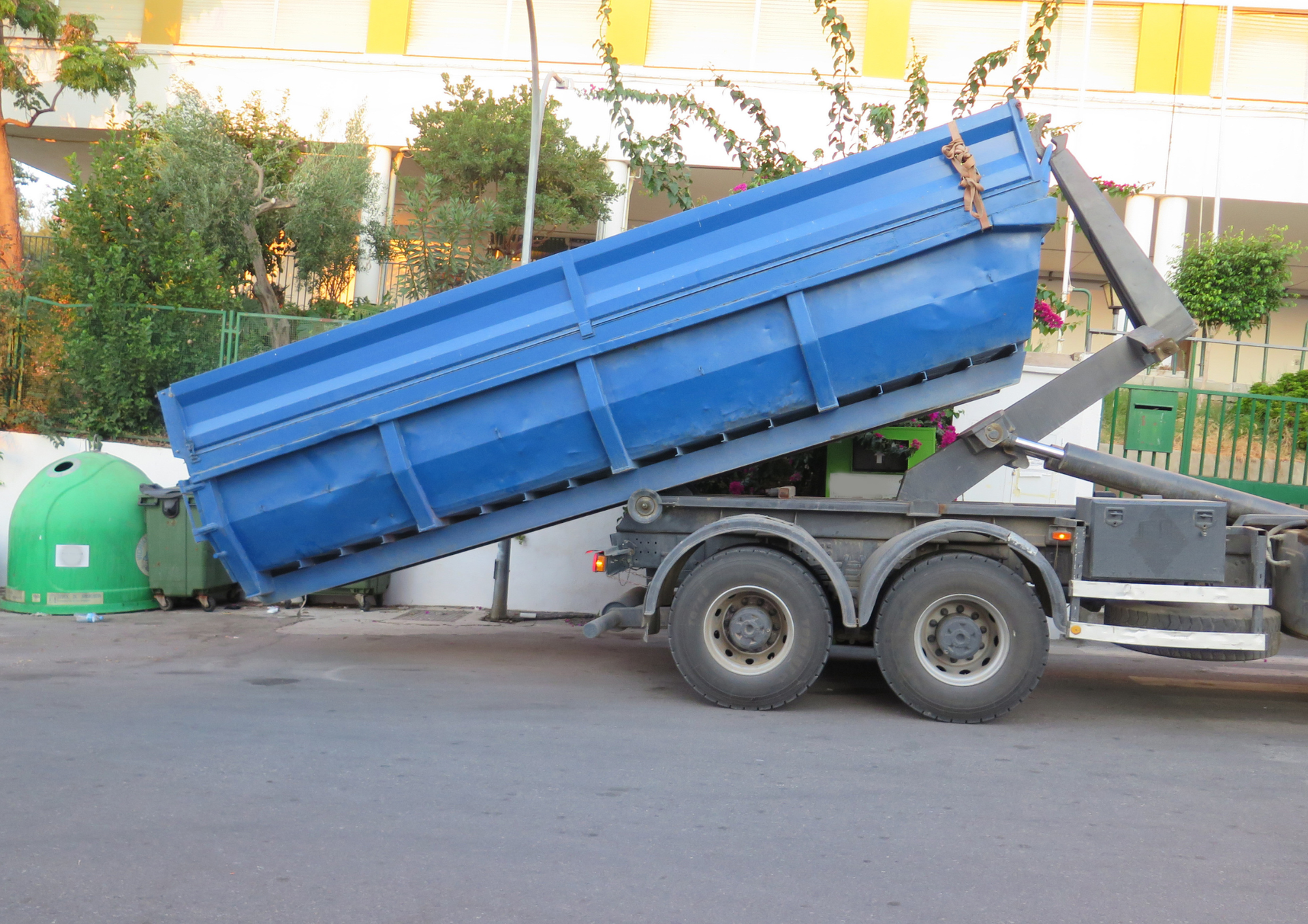
- Access for delivery vehicles should be considered alongside the capacity required.
Preparing the Site
- Identify a suitable placement area before the delivery date and remove vehicles or other obstacles where necessary.
- Check that gates, entrances and access routes provide sufficient room.
- Consider how materials will be carried from the work area to the container once it has been positioned.
- Discuss unusual access conditions in advance so appropriate arrangements can be considered.
Loading Efficiently
- Place suitable flat or compact materials carefully to make practical use of the available space.
- Avoid leaving large empty gaps between bulky items where they can reasonably be reduced.
- Keep waste within the permitted loading level rather than allowing material to project excessively above the sides.
- Ask for guidance when uncertain about whether a particular material is suitable for disposal.
What to Consider When Comparing Local Providers
Selecting a provider involves more than finding someone who can deliver a container. Reliability, communication and practical knowledge all influence how smoothly the process runs, particularly when waste removal forms part of a larger renovation or clearance schedule.
When considering local skip hire companies, customers should look for clear information about delivery, collection, hire duration and suitable waste types. Straightforward explanations make it easier to understand what is being booked and reduce the likelihood of misunderstandings once work is underway.
Local familiarity can be useful in areas such as Nottingham, where access conditions can vary considerably between residential streets, commercial premises and properties with private driveways. A provider familiar with the surrounding area can take practical considerations into account when arranging deliveries and collections. The same principle applies elsewhere: knowledge of the service area can contribute to more organised planning.
Customer communication should remain consistent from the initial enquiry through to collection. If project dates change, customers may need to discuss whether arrangements can be adjusted. Renovation work does not always proceed exactly according to schedule, particularly when contractors uncover additional tasks or materials during the job.
It is also sensible to discuss the type of waste before booking. A general household clearance can involve very different materials from building work or landscaping. Explaining the project clearly gives the provider an opportunity to identify any materials that require different handling.
Another consideration is how the container will fit into the wider project. A homeowner may want delivery shortly before work begins and collection soon after completion. A landlord could be coordinating decorators and cleaners between tenancies. A commercial property manager may need waste removal to fit around normal operating hours. Good planning should reflect these different circumstances rather than treating every booking identically.
Customers can also make the process easier by preparing the site beforehand. Ensuring the intended placement area is accessible, moving parked vehicles where necessary and keeping delivery routes clear can reduce delays. Once the container is in place, keeping the surrounding area organised makes loading more convenient throughout the project.
The aim should be to choose a service that suits the practical requirements of the work. Clear arrangements, appropriate capacity and dependable communication can make waste management feel like an organised part of the project rather than an additional problem to solve.
Waste removal is easier to manage when it is considered at the beginning of a project rather than after unwanted materials have already accumulated. Home clearances, renovations and garden improvements can all produce very different volumes and types of rubbish, so assessing the work beforehand helps customers choose suitable arrangements.
The available space around the property, access for delivery vehicles, expected project duration and quantity of waste should all be considered. A modest household clearance may require a relatively straightforward solution, while a larger renovation or commercial project can benefit from more detailed planning and coordination.
Homeowners, landlords, surveyors and local authorities can also improve efficiency by keeping waste contained throughout the work. Choosing local skip hire can provide a practical way to keep unwanted materials in one designated area, helping maintain better access, reduce clutter and allow different stages of the project to progress without unnecessary obstruction.
Ultimately, effective waste management depends on preparation, realistic estimates and clear communication. Taking time to understand the project before booking can help customers choose an appropriate solution, organise delivery and collection sensibly and maintain a tidier working environment from the beginning of the job through to completion.
Skip Hire Nottingham provides practical information and straightforward support for residential and commercial waste requirements throughout Nottingham and the surrounding area. Whether customers are planning a household clearance, property refurbishment, garden project or larger development, we focus on helping them understand the options available before making arrangements.
Our approach is centred on clear communication and sensible planning. We recognise that properties vary considerably in size, access and waste requirements, so customers can consider their individual circumstances rather than relying on a one-size-fits-all approach.
For anyone arranging local skip hire, our website provides useful guidance on capacity, project planning, site preparation and waste management. This can help homeowners, landlords, surveyors, local authorities and those responsible for commercial premises approach their project with greater confidence.
By providing practical information without unnecessary complexity, we aim to make it easier to understand what should be considered before arranging waste removal. From preparing the placement area to estimating likely waste volumes, our website is designed to support better planning and a smoother experience from the initial enquiry through to final collection.
Check out our latest X update exploring how
local skip hire can support home clearances, renovations and garden waste removal.
You might also like