
How Waste Type and Skip Size Can Affect Your Local Skip Hire Prices
Managing waste efficiently requires more planning than simply choosing a container and arranging delivery. The amount of material being removed, the type of waste involved, the space available for placement and the length of the project can all influence which option is most appropriate. Understanding these considerations can help homeowners, landlords, surveyors and local authorities make practical decisions for both residential and commercial properties.
When comparing skip hire prices, it is useful to consider what is actually required for the project rather than concentrating entirely on the initial quotation. A small household clearance may have very different requirements from a commercial refurbishment, while construction materials can require different handling from ordinary household rubbish. Choosing an appropriate container from the outset can make waste removal more organised and reduce the likelihood of needing unexpected changes later.
In Nottingham, projects can range from domestic improvements and garden clearances to property maintenance, office renovations and larger building work. Although individual requirements will vary, understanding how waste type and container capacity relate to the overall service can make planning considerably easier. Taking time to estimate waste before booking also helps ensure there is sufficient capacity without choosing equipment that is unnecessarily large for the work being completed.
Understanding How Different Waste Types Affect Your Requirements
Waste is not always straightforward. A house clearance might contain furniture, packaging and general household rubbish, while renovation work could produce timber, tiles, plasterboard and other building materials. Garden projects may create branches, soil and vegetation, and commercial premises can generate a mixture of materials depending on the work being undertaken.
Understanding what you intend to dispose of before arranging a skip helps determine which service is appropriate. Customers comparing skip prices should therefore consider the nature of the waste as well as the amount, as different materials can have different handling and disposal requirements.
General Household Waste
- Property clearances can produce furniture, old household items, packaging and other unwanted materials.
- Estimating the quantity before booking makes it easier to select suitable capacity.
- Separating reusable or recyclable belongings beforehand can reduce the volume requiring disposal.
- Large or awkward items should be considered when estimating how much usable space will be required.
Renovation and Building Materials
- Home improvements can generate timber, tiles, fittings, bricks and other construction-related materials.
- Heavy materials require careful consideration because weight can become important even when the container is not completely full.
- Breaking suitable materials into manageable pieces can make loading more organised.
- Customers should explain the expected waste type when booking so appropriate guidance can be provided.
Garden Waste
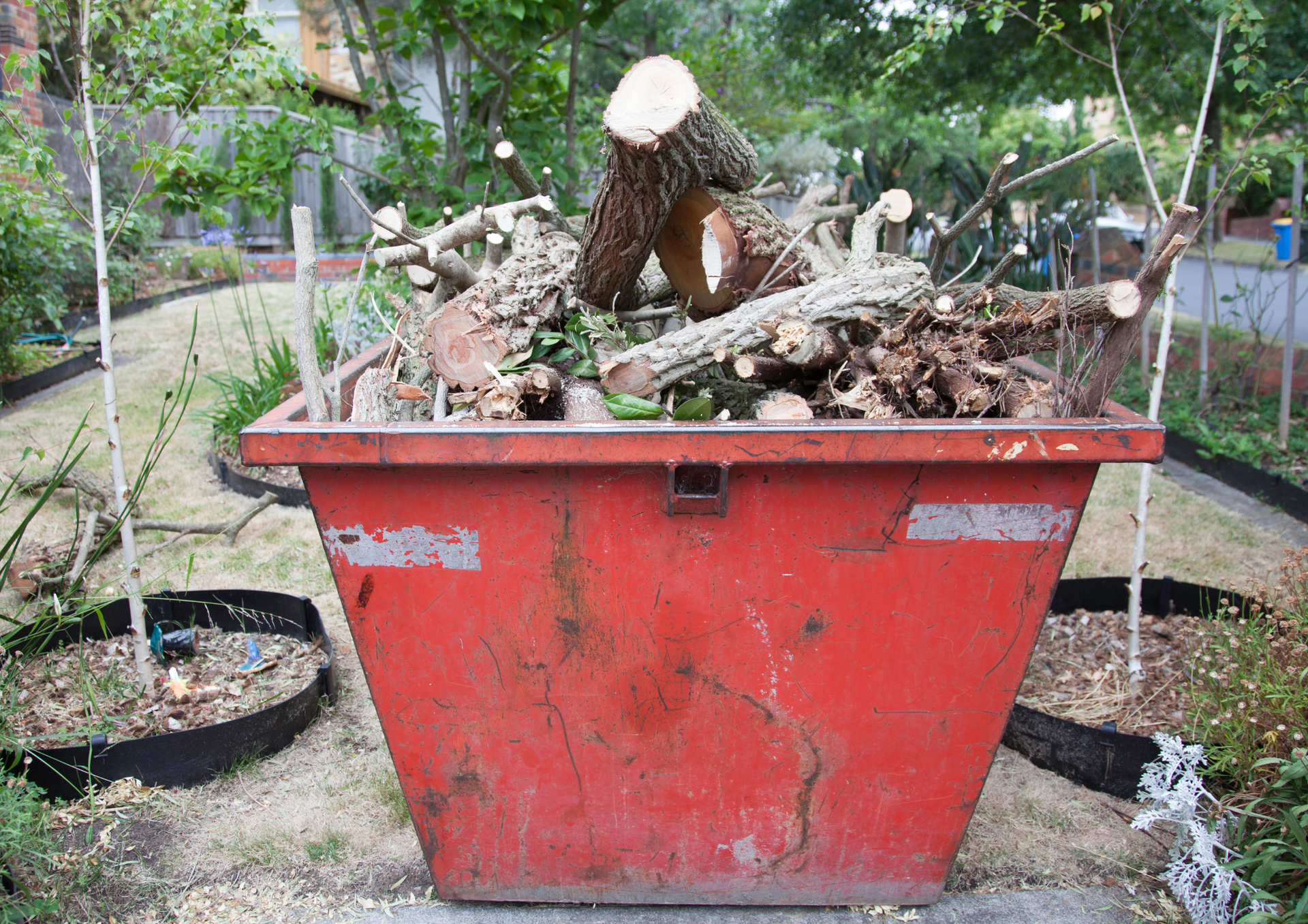
- Garden clearances may produce branches, hedge cuttings, plants and other organic materials.
- Bulky vegetation can occupy considerable space even when it is relatively lightweight.
- Cutting larger branches into manageable sections can help make better use of available capacity.
- Soil and other dense materials should be discussed with the provider before booking.
Commercial Waste
- Office clearances, shop refurbishments and property maintenance can produce mixed materials.
- Commercial projects may generate waste continuously rather than during one short clearance.
- Planning disposal around different stages of the work can prevent unnecessary accumulation.
- Surveyors, property managers and local authorities may benefit from estimating volumes before work begins so waste arrangements can be incorporated into the wider project schedule.
The important point is that volume alone does not provide a complete picture. Two projects producing similar amounts of material may require different arrangements depending on what is being removed. Providing accurate information at the booking stage helps the provider recommend an appropriate option and reduces the likelihood of complications once work has started.
Why Selecting the Correct Capacity Matters
Skip capacity has a direct influence on how efficiently waste can be managed. Choosing something too small may mean the available space is used sooner than expected, while choosing substantially more capacity than required can leave customers paying for space they never use. The aim should therefore be to find a practical balance based on a realistic assessment of the project.
When researching skip sizes and prices, customers should begin by thinking about the scale of the work rather than automatically selecting the smallest or largest available option. A minor decorating project will generally create less waste than a full kitchen refurbishment, while clearing an entire property can produce substantially more material than tidying a single room.
For domestic customers, estimating waste can sometimes be difficult because rubbish may be spread across several areas of the property. A garage, loft or garden can contain more unwanted material than expected once the clearance begins. Looking through each area beforehand and identifying bulky objects can provide a more realistic indication of the capacity required.
Renovation work requires similar preparation. Removing kitchen units, flooring, bathroom fittings or old fixtures can produce considerable amounts of waste in a relatively short period. Thinking about each stage of the project before arranging delivery can help prevent the container from becoming full before the main work has been completed.
Commercial customers often have different considerations. An office refurbishment may involve furniture, partitions, fittings and packaging, while maintenance work across a larger property could generate materials gradually. Coordinating waste removal with the project programme can help maintain clear working areas without unnecessarily interrupting normal activities.
The physical space available for delivery should also influence the decision. A larger container may appear convenient, but it still needs an appropriate location where it can be delivered, loaded and collected safely. Properties with narrow entrances, restricted parking areas or limited external space may require more careful planning.
Customers should also avoid overfilling. Waste should remain within the permitted loading level so that the container can be transported appropriately. Selecting sufficient capacity at the start reduces the temptation to place material above the intended level when the project produces more waste than anticipated.
Professional guidance can be particularly useful when the correct capacity is unclear. Describing the project, likely waste materials and approximate volume allows an experienced provider to suggest an appropriate option. This can be especially valuable for customers arranging waste removal for the first time.
Matching Skip Capacity to Different Types of Projects
Every project creates a different quantity of waste, which is why matching capacity to the work being undertaken is an important part of planning. Rather than choosing solely according to what appears cheapest, customers should consider how much material is likely to be produced from beginning to end.
For smaller projects, understanding small skip hire cost alongside available capacity can help customers decide whether a compact option genuinely suits the work. The most economical choice is generally the one that provides enough usable space without creating unnecessary capacity.
Household Clearances
- Small decluttering projects may only involve a limited amount of general household rubbish.
- Clearing several rooms can create considerably more material, particularly when furniture is involved.
- Loft and garage clearances often uncover items that have accumulated over many years.
- Assessing the entire clearance area before booking provides a more realistic estimate.
DIY and Renovation Projects
- Decorating work can produce packaging, old flooring and removed fixtures.
- Kitchen and bathroom projects usually generate a wider range of bulky materials.
- Larger renovations may require waste removal at several stages rather than only at completion.
- Planning around the project schedule helps keep working areas accessible.
Garden and Exterior Work
- Hedge cutting and routine garden maintenance can produce large volumes of vegetation.
- Fence replacement, shed removal and landscaping projects may create mixed waste.
- Bulky garden materials should be broken down where practical to make efficient use of space.
- Dense materials require additional consideration because weight can become a limiting factor.
Commercial and Managed Properties
- Offices and retail premises can generate furniture, fittings and general clearance waste.
- Landlords may need waste removal between occupancies or during refurbishment work.
- Surveyors and property managers may coordinate disposal as part of wider maintenance programmes.
- Local authority projects can involve varying waste volumes depending on the property and scope of work.
Allowing some flexibility in the estimate can be useful. Projects frequently reveal additional waste once cupboards, storage spaces or old fixtures are removed. However, this does not necessarily mean selecting the largest available container. A considered estimate based on the whole project usually provides a more sensible starting point.
Placement should be planned at the same time as capacity. The most suitable location is generally somewhere that provides convenient access for loading while allowing delivery and collection vehicles to operate effectively. Where placement on public land may be necessary, customers should establish what local arrangements or permissions apply before delivery.
Comparing Overall Value Rather Than Looking Only at Price
Price is naturally important when arranging any property service, but the lowest quotation does not automatically represent the best overall value. Delivery reliability, collection arrangements, suitable equipment, clear communication and responsible waste handling can all influence the customer experience.
People searching for skip hire prices near me may encounter a wide range of quotations and service options. Comparing what is included can provide a much clearer picture than simply choosing whichever figure appears lowest. Customers should understand the expected hire period, delivery arrangements, collection process and any relevant conditions before confirming a booking.
Reliable scheduling can be particularly important during renovations and commercial projects. If a container arrives later than expected, tradespeople may have nowhere appropriate to place removed materials. Similarly, delays in collection can leave a completed property unnecessarily occupied by waste equipment. Clear arrangements help integrate disposal into the wider project schedule.
Communication is equally valuable. Customers should feel comfortable asking what materials can be placed inside, how much capacity they are likely to require and what happens when they are ready for collection. Straightforward information at the start helps reduce uncertainty later.
For landlords and property managers, dependable service can help when coordinating work across occupied or vacant properties. Waste removal may need to fit around contractors, cleaning teams or new occupants, making reliable scheduling especially useful. Surveyors and local authorities may similarly need disposal arrangements to align with wider programmes of maintenance or improvement.
Responsible waste handling should also form part of the comparison. Once material leaves the property, appropriate sorting and disposal remain important. Using an established provider gives customers greater confidence that waste will be managed through suitable channels and recyclable materials handled appropriately where possible.
Accessibility should also be discussed early. Nottingham contains a mixture of residential streets, commercial areas and properties with varying levels of access. The same principle applies elsewhere: providing accurate information about entrances, available space and possible restrictions helps the provider plan delivery more effectively.
Customers should therefore compare the complete service rather than treating the quotation as the only deciding factor. A slightly different price may represent better value when it includes dependable scheduling, appropriate capacity and clear customer support. Making a considered choice at the beginning can save time and inconvenience throughout the project.
Waste type and container capacity are closely connected when planning efficient disposal. Household clearances, garden work, renovations and commercial projects can all produce very different materials and volumes, meaning there is rarely a single solution suitable for every situation. Taking time to assess what will be removed helps customers make more informed decisions before booking.
When comparing skip hire prices, consider the complete requirements of the project rather than concentrating solely on the initial figure. The correct capacity should provide sufficient room for the expected waste while remaining practical for the available placement area. Waste type, weight, project duration, accessibility and collection arrangements should all form part of the decision.
For homeowners, landlords, surveyors, local authorities and those responsible for commercial properties, careful preparation can make waste removal significantly easier. Estimating materials before work begins, discussing requirements clearly and selecting an appropriate service helps maintain organised working areas while reducing avoidable disruption.
A well-planned booking ultimately provides better value because the service is matched to the project. Whether completing a small domestic clearance or coordinating a larger commercial refurbishment, understanding your waste before arranging disposal provides a stronger foundation for an efficient and straightforward project.
Skip Hire Nottingham provides practical waste management support for residential and commercial projects throughout Nottingham and the surrounding area. We understand that customers may not always know exactly which option they require, particularly when clearing an unfamiliar property or preparing for renovation work. Our approach focuses on understanding the project, expected waste volume and available space before helping customers consider a suitable solution.
We support homeowners completing domestic projects as well as landlords, surveyors, local authorities and those responsible for commercial premises. Clear communication helps customers understand delivery and collection arrangements while providing useful information about skip hire prices and allowing potential access considerations to be discussed before the service begins.
Our focus is on making waste removal straightforward and organised from the initial enquiry through to collection. By considering the individual requirements of each project rather than applying the same approach to every booking, we aim to help customers choose practical capacity and manage unwanted materials efficiently.
Check out our latest X update explaining how waste type and skip size can affect your local
skip hire prices!
You might also like