
Practical Tips for Loading Heavy Materials into Skips Safely
Managing heavy waste is a key part of construction, refurbishment, and clearance projects. Whether dealing with bricks, concrete, soil, or timber, using skips and loading materials correctly is essential for safety, efficiency, and smooth collection. Poor loading practices can lead to delays, hazards, and unnecessary complications, particularly on busy residential streets or active commercial sites.
Planning Before You Begin Loading
Effective loading starts with preparation. Before placing any materials into a container, it is important to assess the type and volume of waste being generated. Roofing projects, demolition works, and structural alterations often produce dense and bulky materials that require careful handling.
Positioning also plays a vital role. Skips should be placed on stable, level ground to prevent shifting during loading. Where possible, they should be located close to the work area to reduce carrying distances and minimise manual strain. For properties with limited access, planning the placement in advance helps avoid disruption to surrounding areas.
Understanding weight distribution is equally important. Heavy materials should be added gradually rather than all at once. This reduces strain on the container and ensures the load remains balanced. Planning ahead allows for a safer and more efficient workflow throughout the project.
Safe Techniques for Handling Heavy Materials
Lifting and moving heavy waste requires a practical and controlled approach. Materials such as concrete blocks, paving slabs, and bricks should always be handled with care to reduce the risk of injury.
When loading, it is advisable to break down larger items into manageable pieces wherever possible. This makes them easier to carry and reduces the impact when placed into the container. Instead of throwing materials, they should be lowered carefully to avoid sudden force and potential damage.
Using appropriate equipment can also improve safety. Wheelbarrows, lifting tools, and protective gloves help reduce physical strain and provide better control when handling heavy items. For larger projects, coordinating with others on-site ensures that lifting tasks are shared and completed safely.
Maintaining a steady pace is important. Rushing can lead to mistakes, uneven loading, and increased risk. A consistent, methodical approach allows materials to be placed securely while maintaining a safe working environment.
Distributing Weight Evenly Within the Skip
One of the most important aspects of loading is ensuring that weight is distributed evenly. Placing all heavy materials on one side can create imbalance, making collection more difficult and potentially unsafe.
Heavier items should be positioned at the base of the skip, forming a stable foundation. Lighter materials can then be layered on top to maximise capacity without exceeding limits. This structured approach helps maintain stability and allows for more efficient use of space.
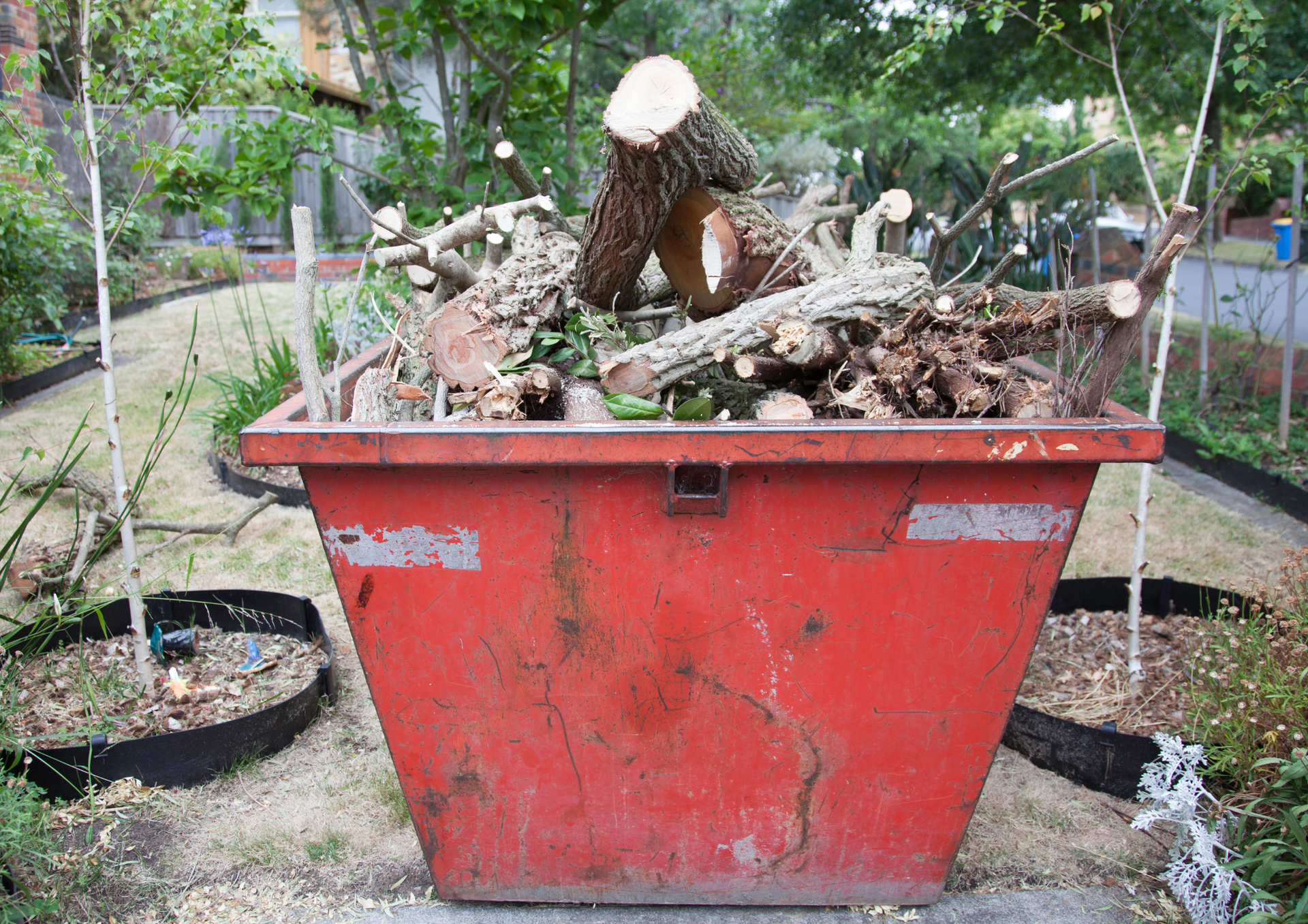
Avoid creating high piles above the rim of the container. Overfilling not only prevents collection but can also create hazards for workers and passers-by. Keeping materials level with the top edge ensures that the load remains secure during transport.
For mixed waste projects, grouping similar materials together can improve organisation. This makes loading more straightforward and helps maintain balance throughout the container.
If you plan to order a skip, considering how materials will be loaded in advance helps ensure the correct size is selected and prevents unnecessary delays during the project.
Maintaining Site Safety and Efficiency
A well-organised site supports both safety and productivity. Keeping the area around the skip clear of loose debris reduces trip hazards and ensures easy access during loading.
Establishing a designated waste zone helps maintain order, particularly on larger sites. This allows workers to focus on their tasks without obstruction and ensures materials are directed to the correct location.
Regularly reviewing the fill level prevents overloading and allows for timely collection arrangements. Monitoring progress throughout the project ensures that waste management remains consistent and efficient.
Many customers now choose to skip online, allowing them to arrange delivery and collection quickly without interrupting their workflow. This approach provides flexibility and ensures that waste solutions are in place when needed.
Occasionally, people refer to skip’s when discussing container hire, but clear understanding of loading limits and proper use remains essential for smooth operation.
The correct use of skips plays a vital role in maintaining safe and efficient project environments. When handled properly, they provide a reliable solution for managing heavy materials across a wide range of residential and commercial applications.
Skip Hire Nottingham offers dependable waste solutions tailored to the needs of residential and commercial projects. We provide clear guidance, timely delivery, and efficient collections to help keep your site organised and running smoothly.
Our team understands the practical challenges of handling heavy materials and works closely with customers to ensure the right solution is in place. With straightforward booking options and a focus on reliability, we deliver a service that supports your project from start to finish.
New Update on X: Practical tips for loading heavy materials into
skips safely.
You might also like