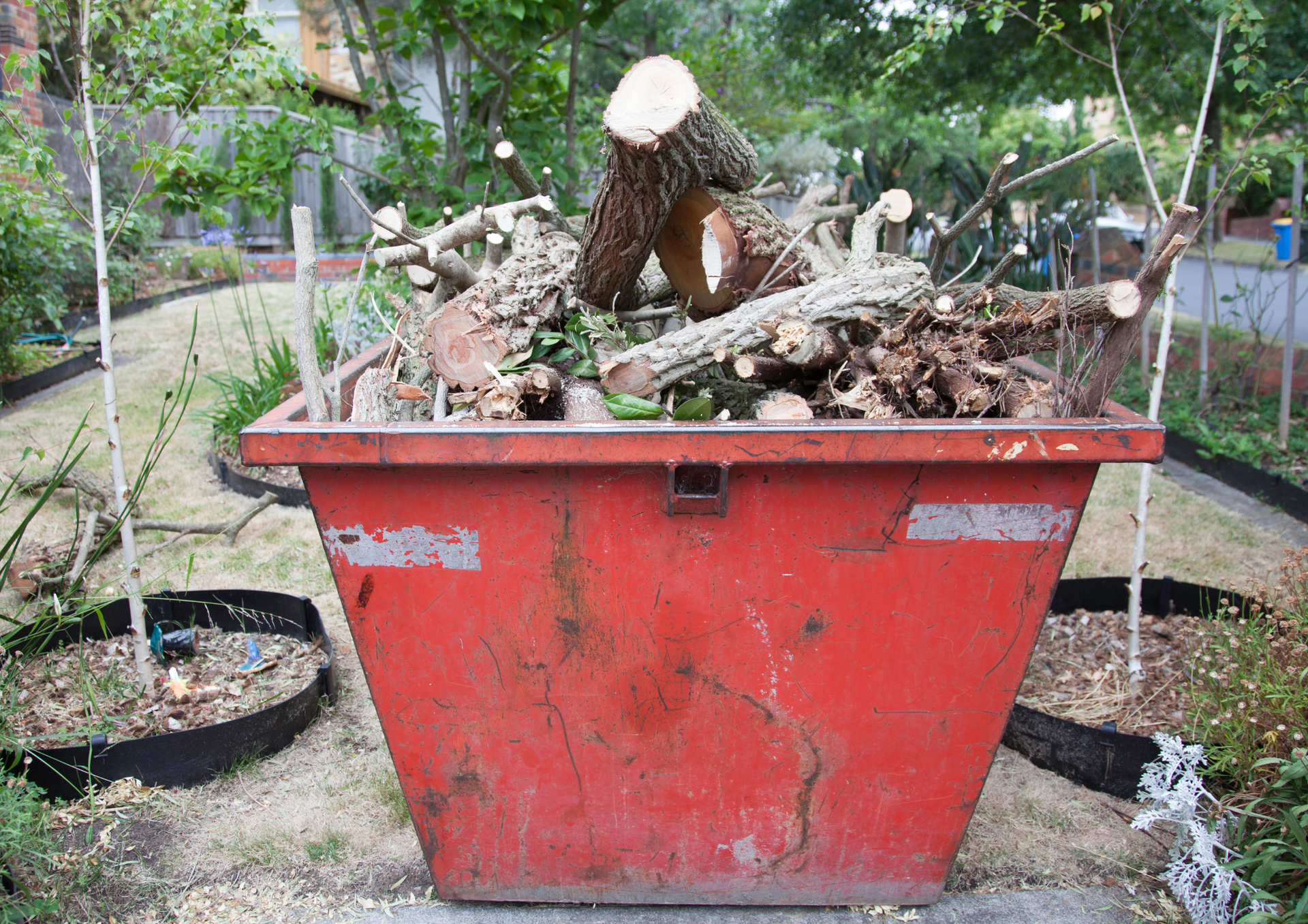

Cheapest Skip Hire for DIY and Home Renovation Projects Made Easy
Home improvement projects can completely transform a property, whether you are updating a kitchen, renovating a bathroom, landscaping a garden, or carrying out a full refurbishment. While planning often focuses on materials, budgets, and timescales, waste management is sometimes overlooked until piles of unwanted materials begin to accumulate.
Having an organised approach to waste removal helps keep projects running smoothly, improves safety, and creates a cleaner working environment from start to finish. Whether you are a homeowner modernising your living space, a landlord preparing a rental property, a surveyor overseeing refurbishment work, or a contractor managing improvements on residential or commercial properties, dealing with waste efficiently is an essential part of every project.
Bricks, timber, plasterboard, old fixtures, packaging, soil, and general debris can quickly take over valuable space if they are not removed regularly. Choosing cheapest skip hire allows waste to be collected in one convenient location, helping projects remain organised without the inconvenience of repeated journeys to waste disposal facilities. With careful planning and selecting the correct skip size, it is possible to manage renovation waste efficiently while keeping overall project costs under control.
Plan Waste Removal Before Starting Your Renovation
Every successful renovation begins with careful planning, and waste disposal should form part of that preparation. Before any demolition or construction work starts, it is helpful to consider how much waste is likely to be produced and what types of materials will need to be removed.
Different projects generate different amounts of waste. A bathroom renovation may mainly produce tiles, sanitary ware, pipework, and plaster, while a kitchen refurbishment often creates cabinets, worktops, appliances, flooring, and packaging. Garden landscaping may involve soil, turf, fencing, paving slabs, shrubs, and tree cuttings. Loft conversions, extensions, and complete property renovations generally create significantly larger quantities of mixed construction waste.
Estimating waste volumes before work begins helps prevent unnecessary delays later in the project. Running out of space for debris can slow progress considerably and create unnecessary hazards around the site.
Creating a simple waste management plan also allows everyone involved in the project to understand where waste should be placed and which materials can be separated for recycling where appropriate. This keeps the working area tidy while reducing unnecessary handling of waste throughout the renovation.
Good planning also helps minimise disruption to neighbours and surrounding properties. Keeping waste contained inside a skip instead of allowing materials to spread around driveways, gardens, or pavements creates a cleaner appearance and supports safer access throughout the project.
Another important consideration is accessibility. The chosen skip location should allow workers to dispose of waste easily without carrying heavy materials over long distances. Positioning the skip close to the work area improves efficiency and reduces unnecessary manual handling.
Weather conditions can also influence waste management. Rain can increase the weight of certain materials and make loose waste more difficult to manage. Covering appropriate materials when necessary and disposing of waste regularly helps maintain a safer working environment throughout changing weather conditions.
Property owners carrying out phased renovations may also benefit from arranging waste removal to match different stages of work. Demolition waste, construction debris, and finishing materials often accumulate at different times, making careful scheduling beneficial. Many people search online for cheapest skip hire near me when preparing for renovation work because comparing local availability allows projects to begin with an organised waste solution already in place.
Selecting the Right Skip for Your Project
Selecting the right skip size is an important part of planning any DIY or home renovation project. The correct choice helps maximise available space, improves efficiency, and avoids unnecessary costs. The following considerations can help you choose a skip that suits the amount and type of waste your project is expected to produce.
Choosing the Right Skip Size
- Selecting cheapest skip hire with the correct skip size helps provide better value and convenience.
- A skip that is too small may require additional collections or replacements.
- A skip that is too large may leave you paying for unused capacity.
Match the Skip to Your Project
- Small DIY jobs, such as decorating, flooring replacement, loft clearances, and garage clearances, usually generate modest amounts of waste.
- Medium-sized renovations, including kitchen and bathroom refurbishments, often require larger skips due to heavier building materials.
- Major projects, such as extensions, roofing work, and full property renovations, typically produce substantial volumes of mixed waste.
Consider Both Volume and Weight
- Heavy materials such as bricks, concrete, rubble, paving slabs, soil, and tiles can quickly reach weight limits.
- Lighter materials, including timber, cardboard, insulation, plastics, and packaging, occupy more space while adding less weight.
Load the Skip Efficiently
- Break bulky items into smaller pieces where possible.
- Place heavier waste at the bottom of the skip.
- Fill empty spaces carefully to maximise available capacity.
- Avoid overloading, ensuring waste remains below the top edge for safe collection.
Separate Waste Where Practical
- Keep timber, metal, green waste, and general construction materials organised where possible.
- Separating materials may improve recycling opportunities and simplify waste management.
Plan Collections for Longer Projects
- Arrange collection schedules in advance for extended renovations.
- Replacing full skips promptly helps prevent waste from building up and keeps work progressing smoothly.
Check Property Access
- Assess driveways, entrances, parked vehicles, overhead cables, and surrounding structures before delivery.
- Consider shared access roads or limited parking that may affect skip placement.
Compare Overall Value
- Rather than focusing only on the initial quotation, consider the skip bin hire cheapest price alongside the skip size and capacity required to ensure it meets the needs of your renovation project.
Managing Renovation Waste Responsibly
A well-managed renovation project involves more than simply removing unwanted materials. Choosing cheapest skip hire helps keep waste organised while supporting responsible disposal practices, making it easier to maintain a tidy work area and manage projects efficiently from beginning to end.
Many renovation materials can often be recycled or processed appropriately rather than being disposed of unnecessarily. Metals, timber, cardboard, plastics, aggregates, and certain construction materials frequently have opportunities for recovery through approved waste management processes.
Separating reusable materials where practical may also reduce the overall amount of mixed waste generated during refurbishment work. Items such as doors, cabinets, radiators, paving slabs, timber beams, and certain fixtures may still have value for reuse or refurbishment depending on their condition.
Care should always be taken when disposing of electrical appliances, lighting equipment, batteries, paint, chemicals, solvents, and other specialist materials, as these often require separate disposal methods.
Maintaining a tidy working area throughout the project also improves safety for everyone involved. Loose rubble, sharp materials, discarded nails, broken glass, and scattered packaging can create unnecessary trip hazards if waste is not removed regularly.
Daily housekeeping helps keep projects organised. Spending a few minutes at the end of each working day placing waste directly into the skip prevents unnecessary build-up and makes the following day's work more efficient.
Large renovation projects often involve several trades working simultaneously. Providing a clearly designated waste area encourages consistent disposal practices and reduces confusion between different contractors.
Responsible waste management also contributes to better project organisation by making valuable materials easier to locate rather than becoming buried beneath unwanted debris.
Many property improvements take place while families continue living in the home. Keeping waste contained helps reduce dust, improves access around the property, and creates a safer environment for children and pets.
Some homeowners choose cheap skip hire for a day when completing smaller renovation tasks over a single weekend, allowing waste to be removed promptly once work has been completed.
Choosing the right source of information is just as important as choosing the right waste removal service. At
Skip Hire Nottingham, our website has been created to provide practical guidance alongside straightforward information about our skip hire services. We focus on helping customers make informed decisions by explaining skip sizes, suitable uses, waste management tips, and the booking process in clear British English.
Our website is regularly updated with useful articles covering DIY projects, home improvements, garden clearances, and construction waste, while also providing helpful information for those looking for affordable skip bin hire. We aim to offer clear, practical guidance that helps both residential and commercial customers choose the most suitable waste management solution for their projects.
Whether you are planning a one-day clearance or a larger renovation, our website makes it easy to learn about our services, understand your options, and arrange the most suitable skip for your needs. Our goal is to provide dependable information and practical solutions that help every project run more efficiently from beginning to end.
Don't Miss Out on X: Keep DIY projects organised with cheapest
skip hire.
You might also like